Breaking a Guinness World Record on Camera: 48 Hours of Continuous Mahjong, Frame by Frame
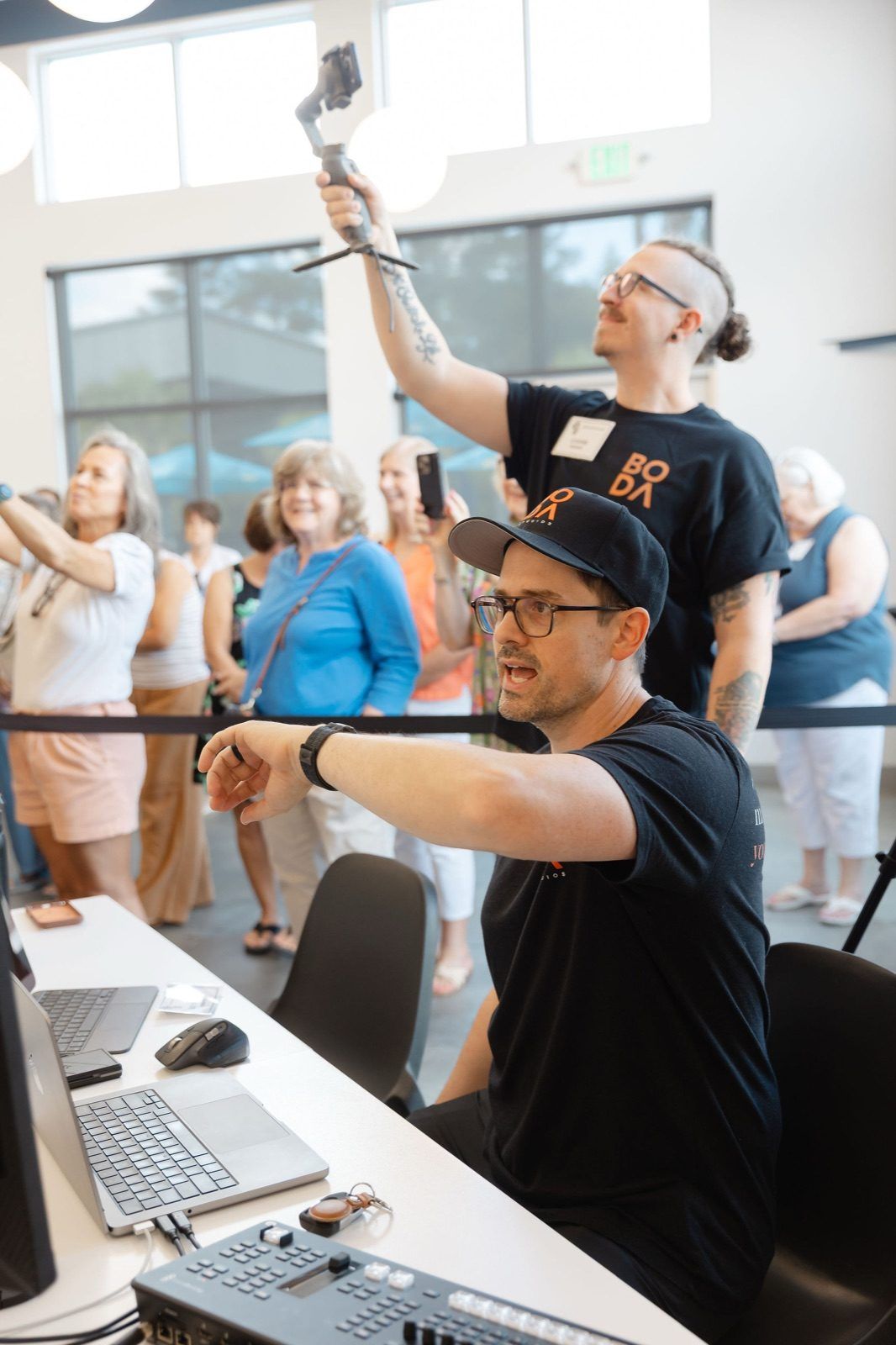
Some projects are about brand awareness. This one was about proof.
A group of women set out to break a Guinness World Record for the longest continuous mahjong session: a 48-hour attempt at The Pickle Bar in Nexton, South Carolina. Guinness doesn't take anyone's word for it. A record like this only stands if it's backed by video documentation precise enough to survive scrutiny. That documentation was the job. Miss it, get it wrong, or lose sync over two straight days of recording, and the record doesn't count no matter how real the attempt was.
Boda Studios was brought on to make sure that didn't happen.
The Challenge: Zero Room for Error, for 48 Straight Hours
Guinness World Record certification has exacting standards, and for an attempt built entirely around continuous, unbroken time, video documentation is the backbone of the entire submission. There's no do-over. No pausing to fix a technical problem. No gap in coverage the reviewers might reasonably question.
The requirement Boda set for itself: reference the official time clock against the footage with less than a three-second margin of error, across the full 48 hours, with the ability to verify it frame by frame. That's not a normal production spec. Most live event coverage doesn't need frame-accurate timestamp verification sustained over two full days, because most live events aren't trying to survive a formal record review board.
Layered on top of the technical challenge was a purely logistical one: an attempt of this scale and duration had never been attempted by this organization before. There was no playbook to pull from. Everything, from gear and staffing to storage and contingency planning, had to be built from scratch.
The Story: An Unlikely Group Chasing a Long-Standing Record
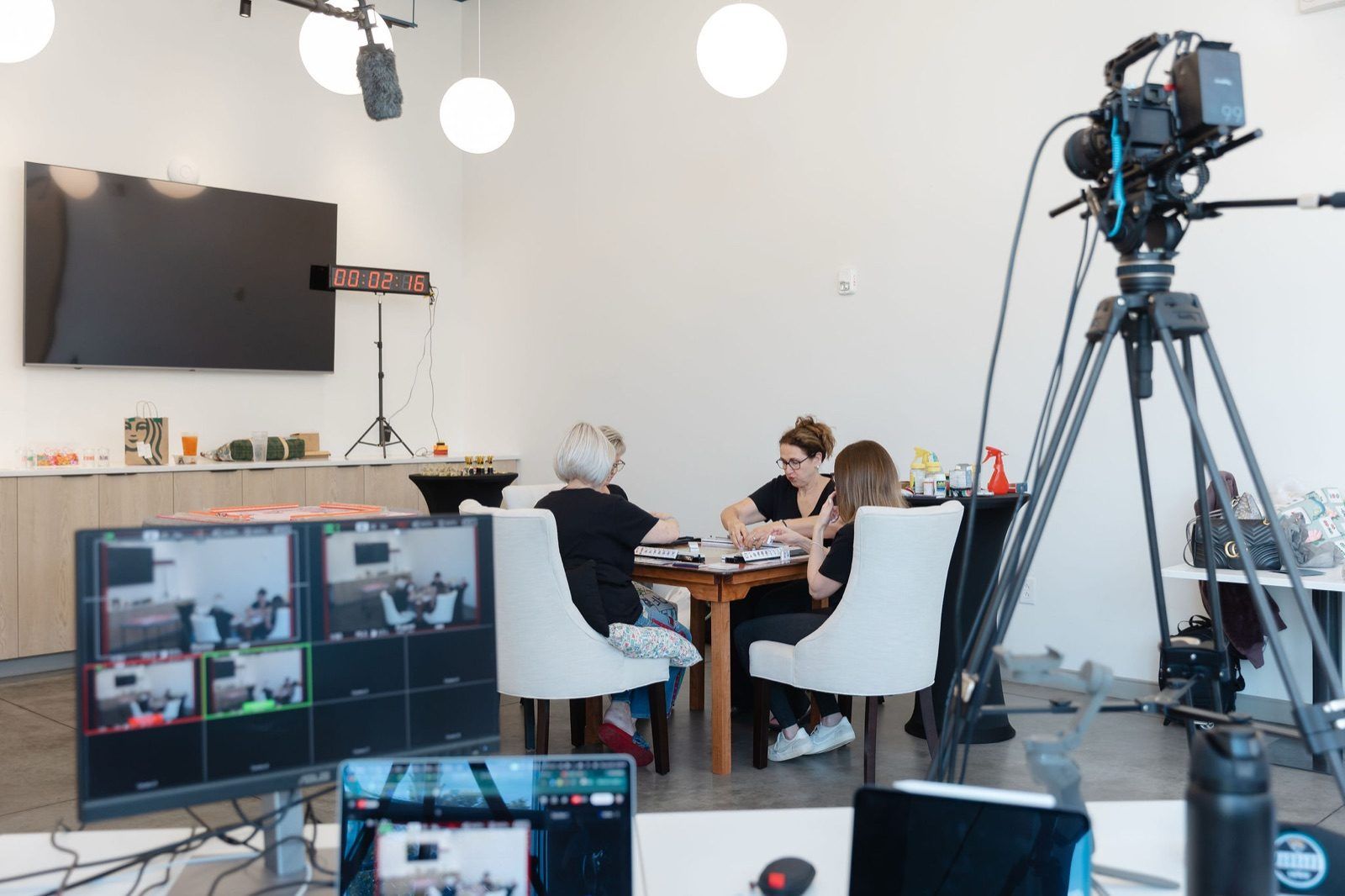
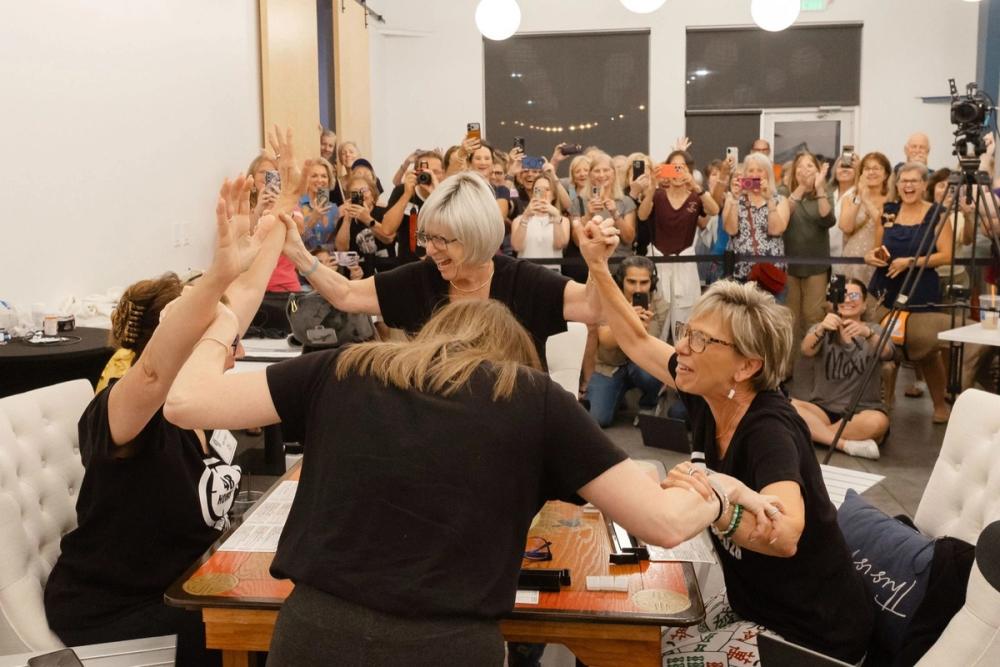
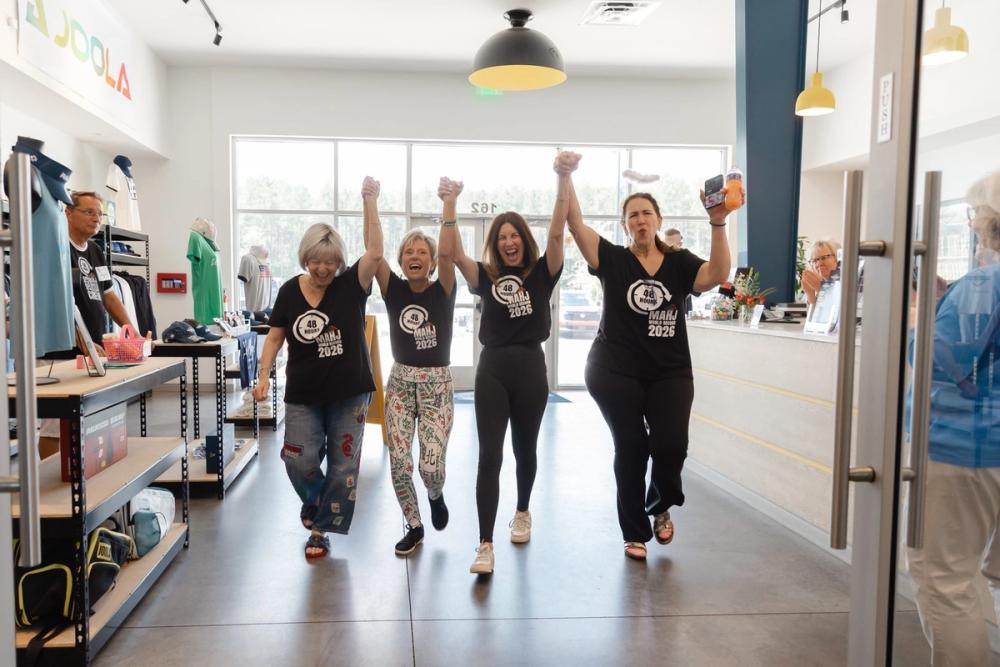
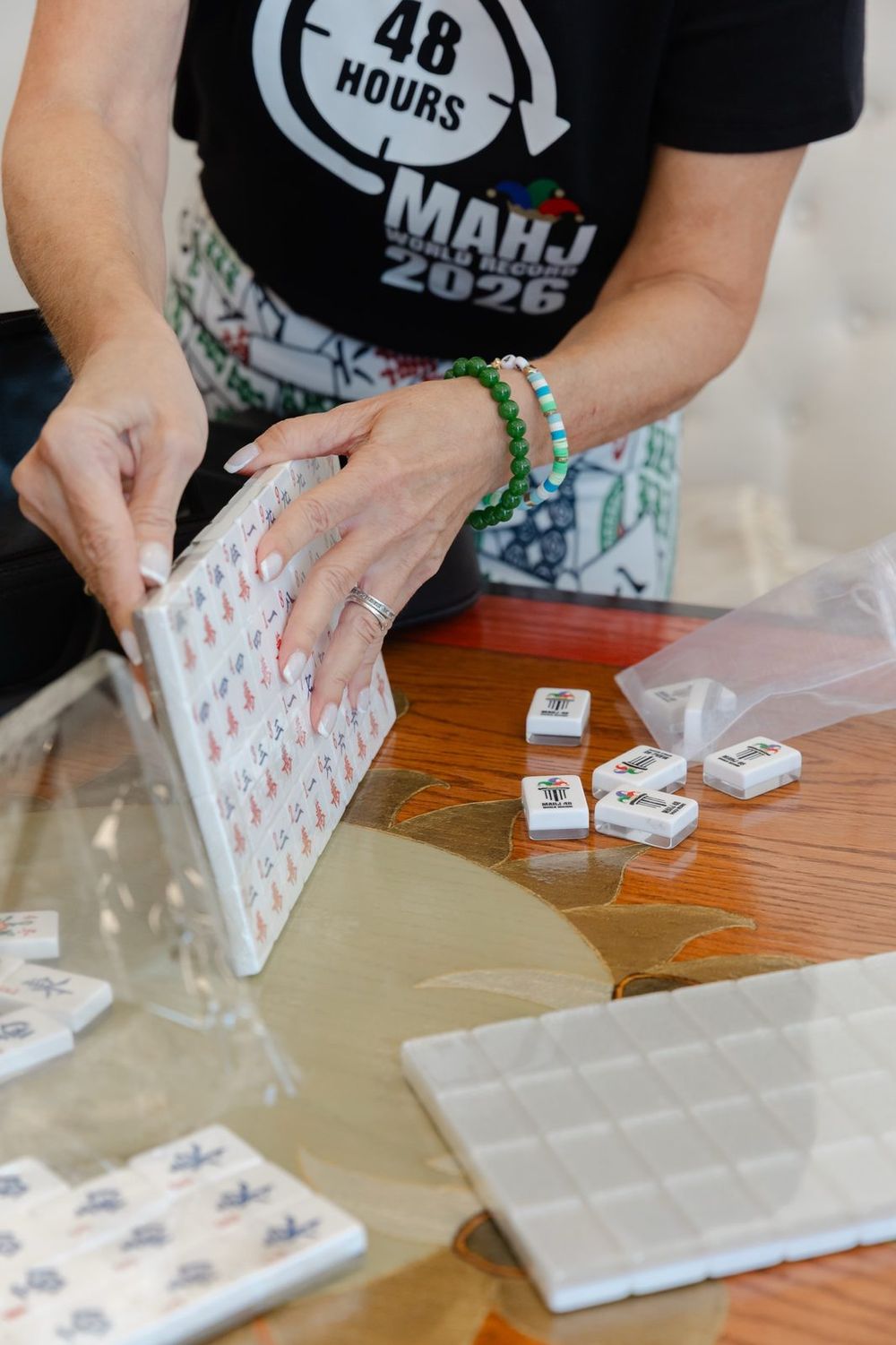
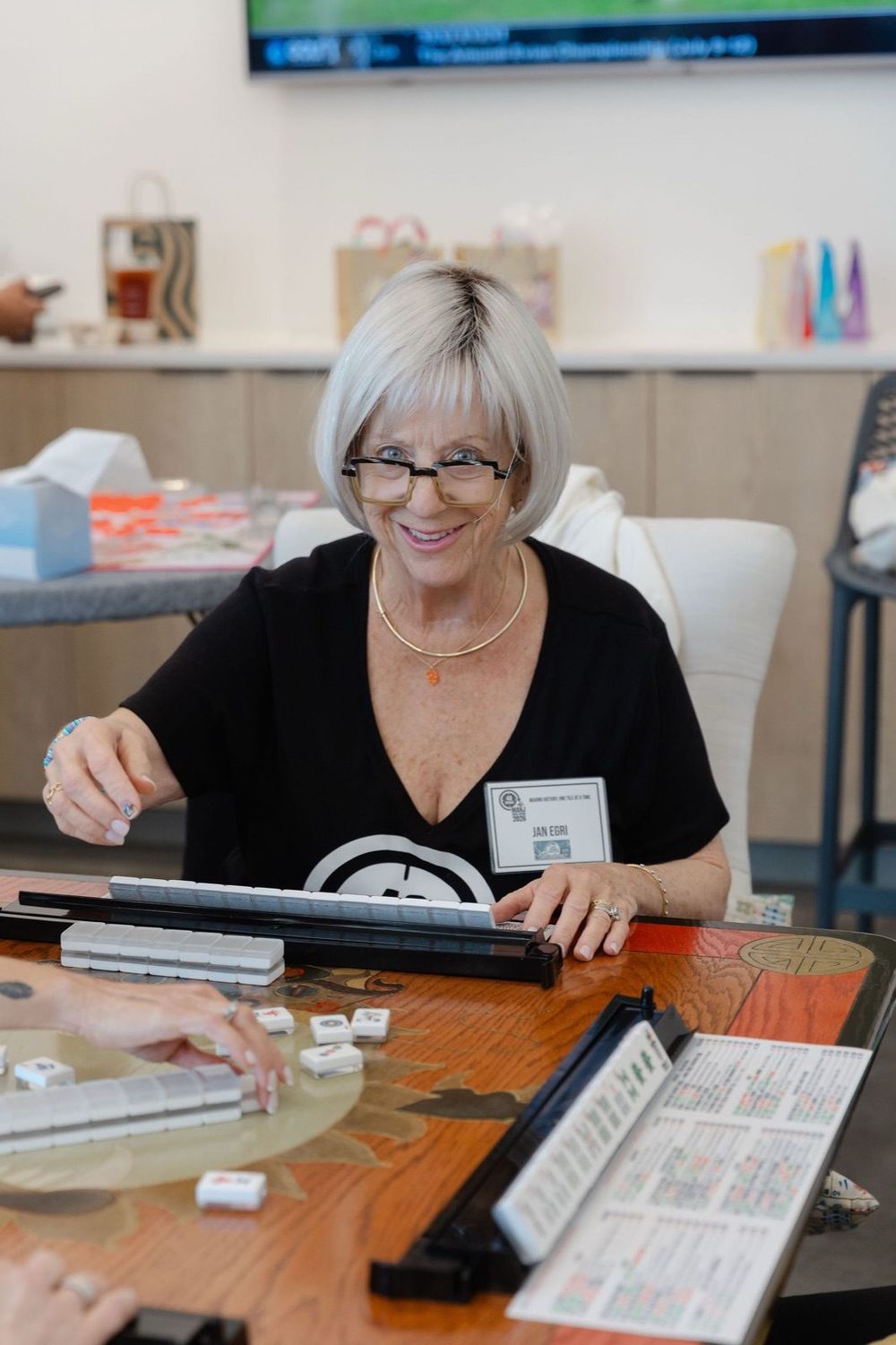
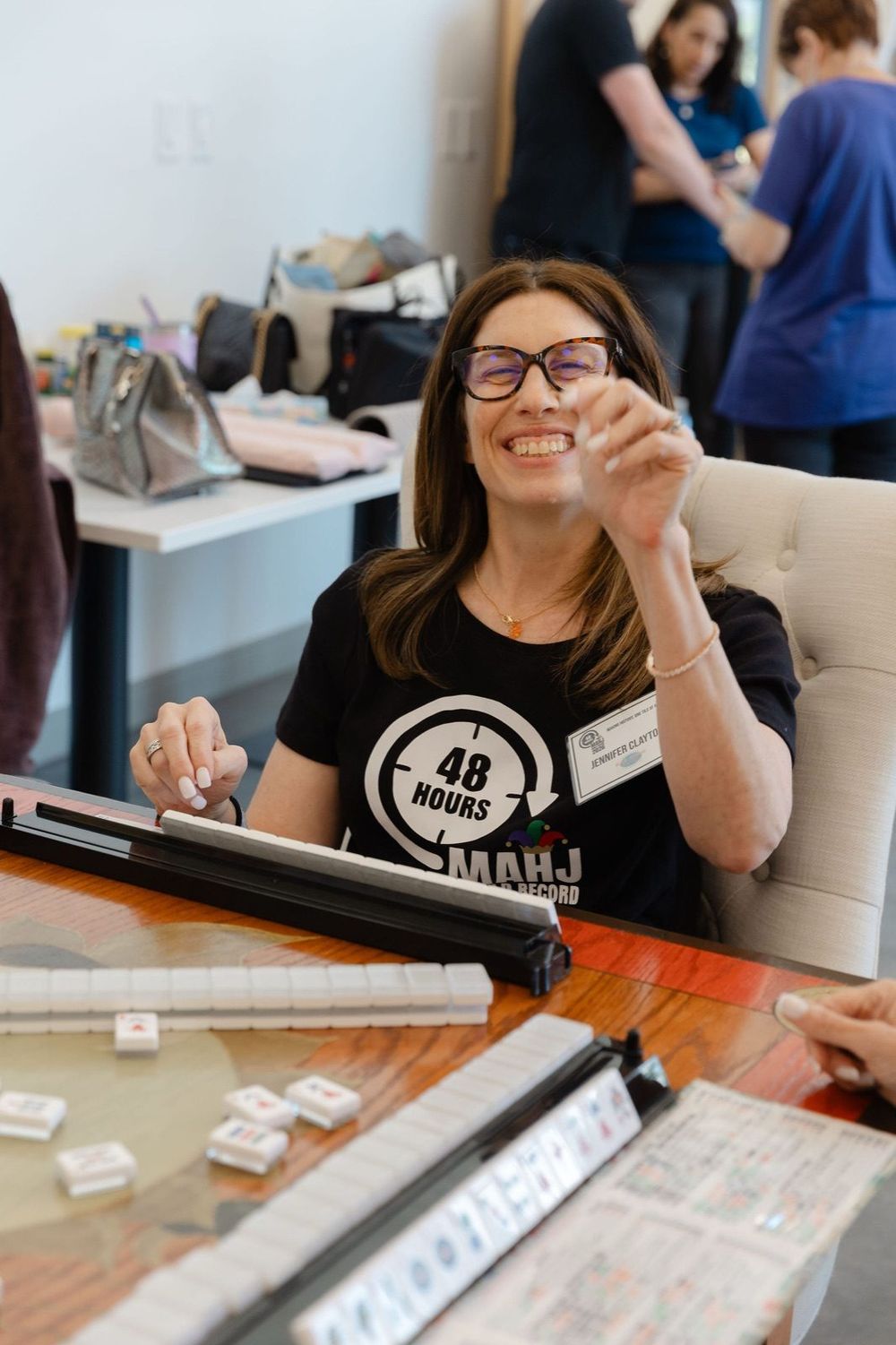
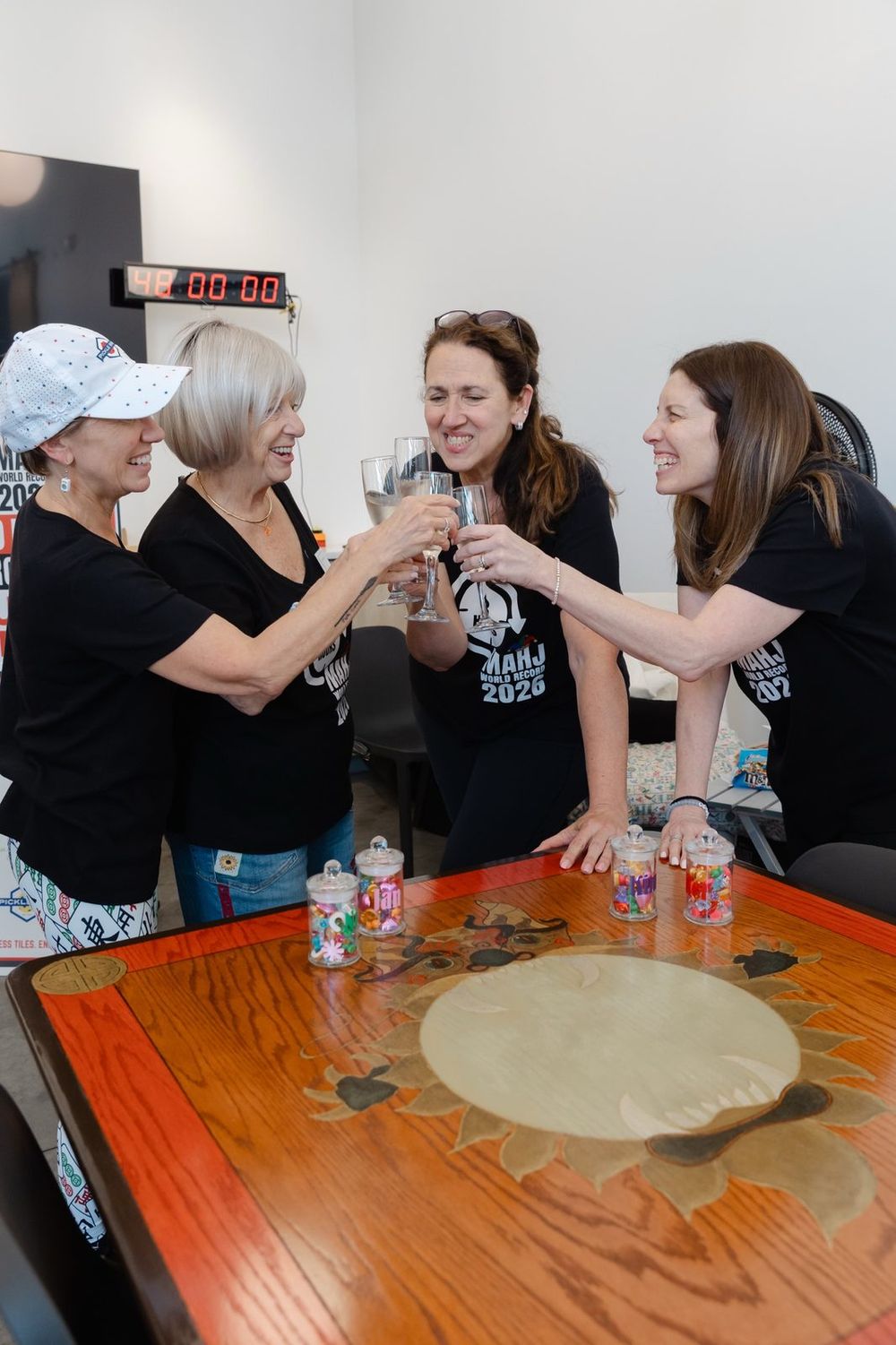
The technical challenge is only half of what made this project worth telling. The attempt itself was carried by four women, the majority in their sixties, one in her seventies, who traveled in from across the country to take a shot at a record that had stood for years. Two straight days. No sleep. No real breaks. Just the game, the clock, and each other.
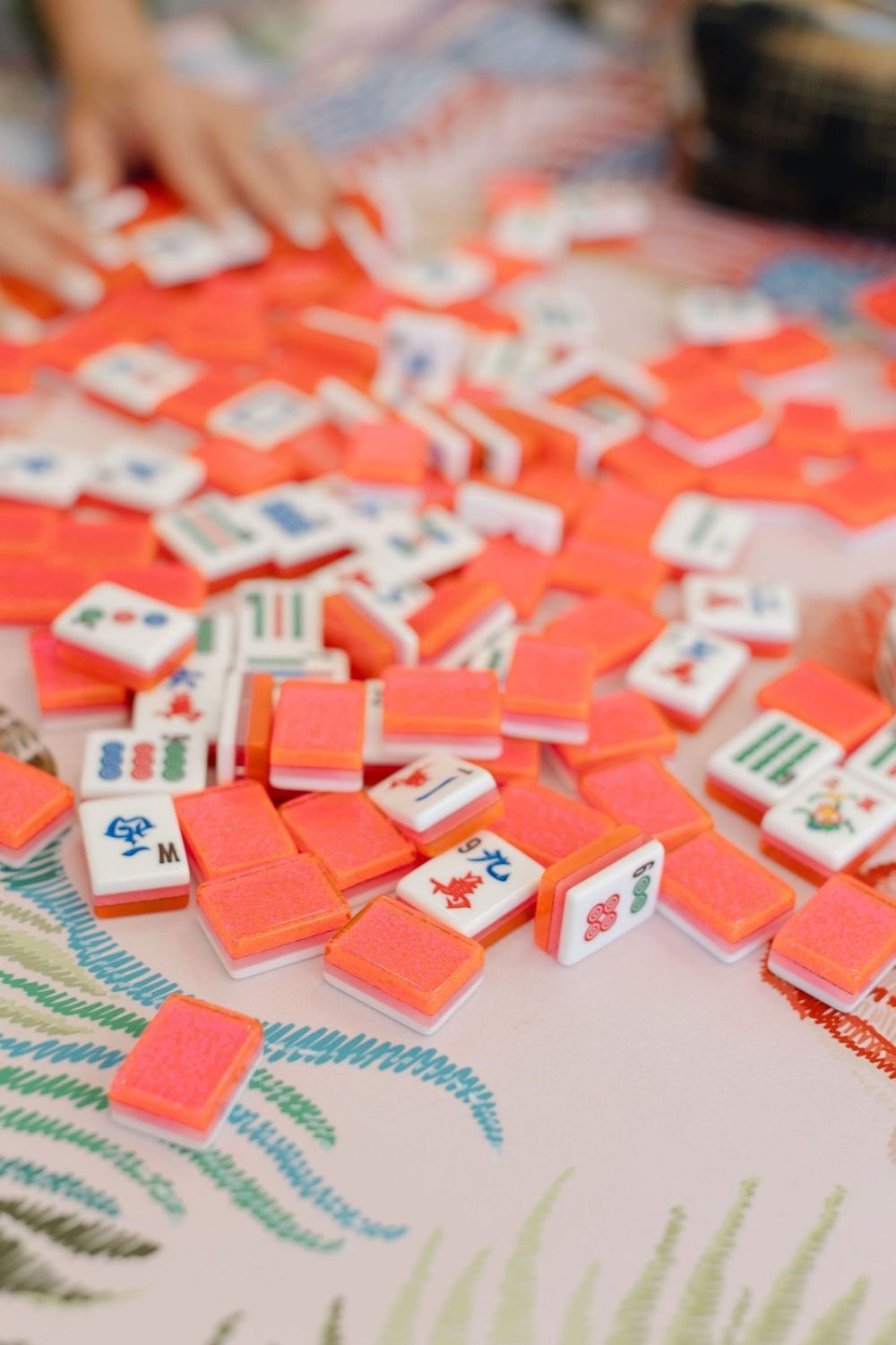
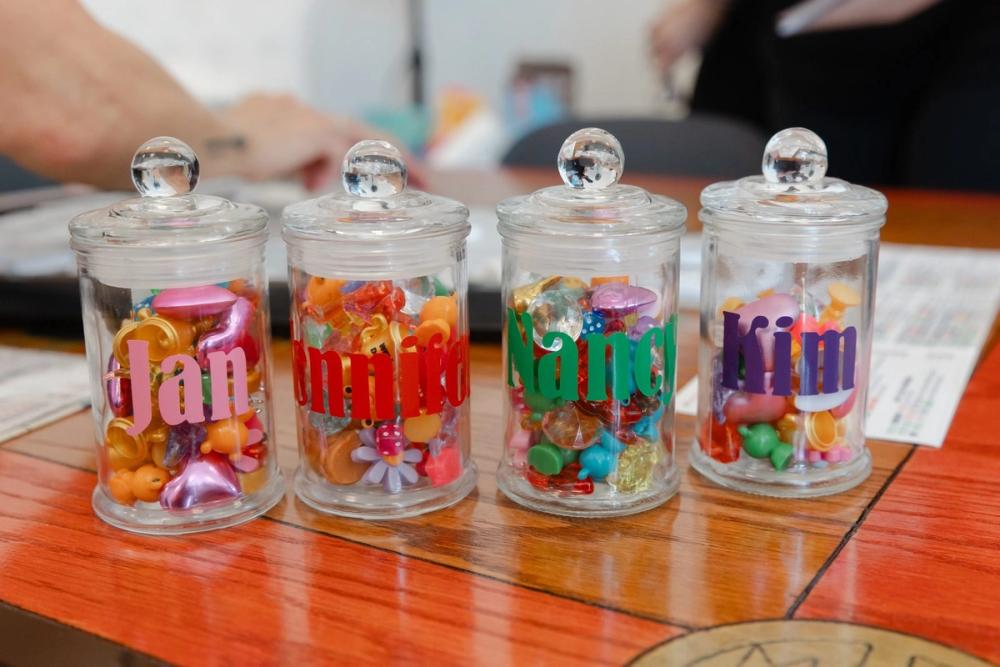
Four days before the attempt, a last-minute medical emergency knocked one player out and forced the group to find a replacement, and find one they did, in time to keep the attempt on schedule. Custom tables were built for the event. Volunteers came in from the mahjong community around the country to serve as witnesses and timekeepers, the kind of independent verification Guinness requires to take a submission seriously.
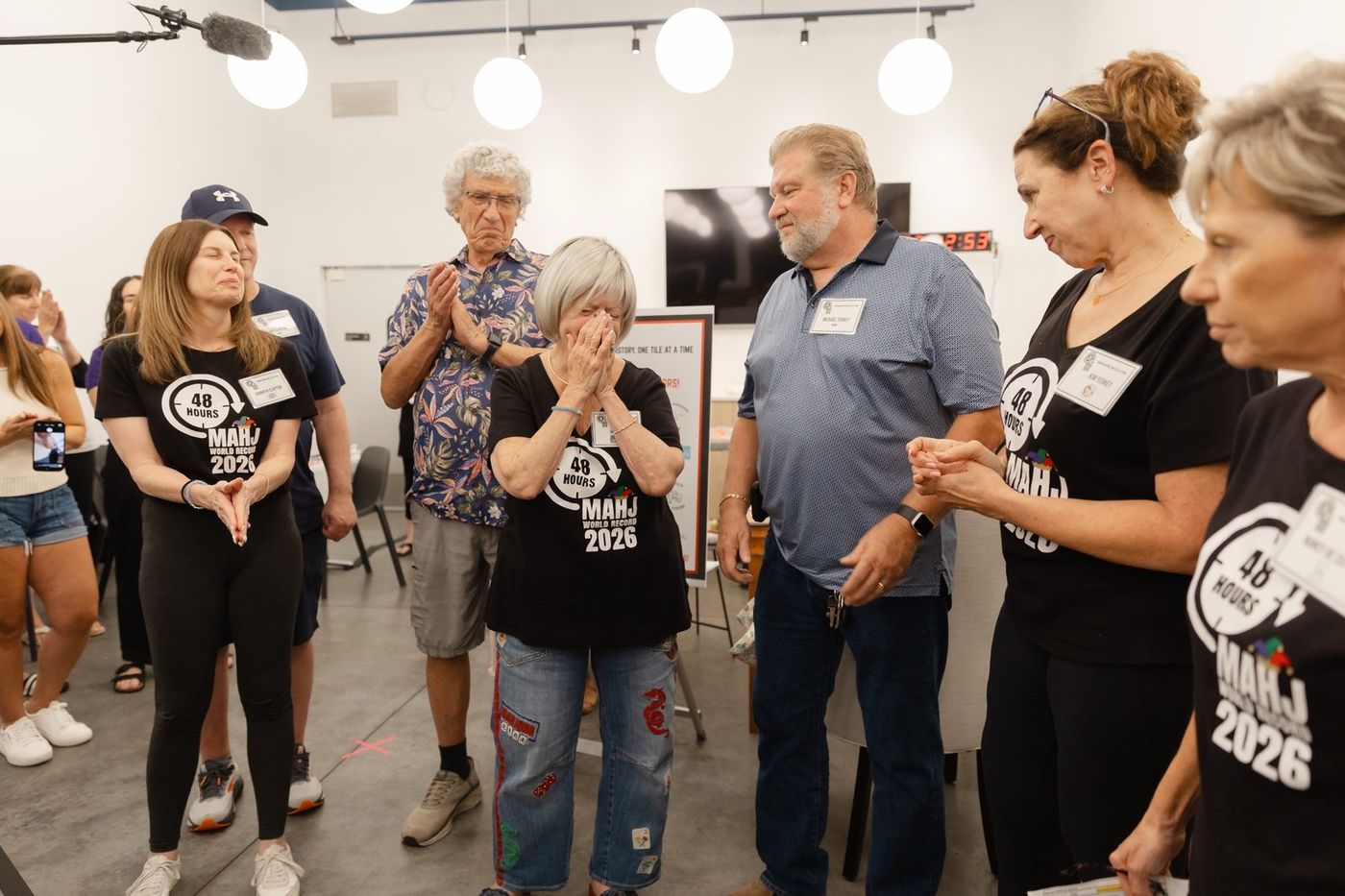
They hit 48 hours, surpassing the previous record of 33 hours and 4 minutes by nearly 15 hours. The previous record didn't come close.
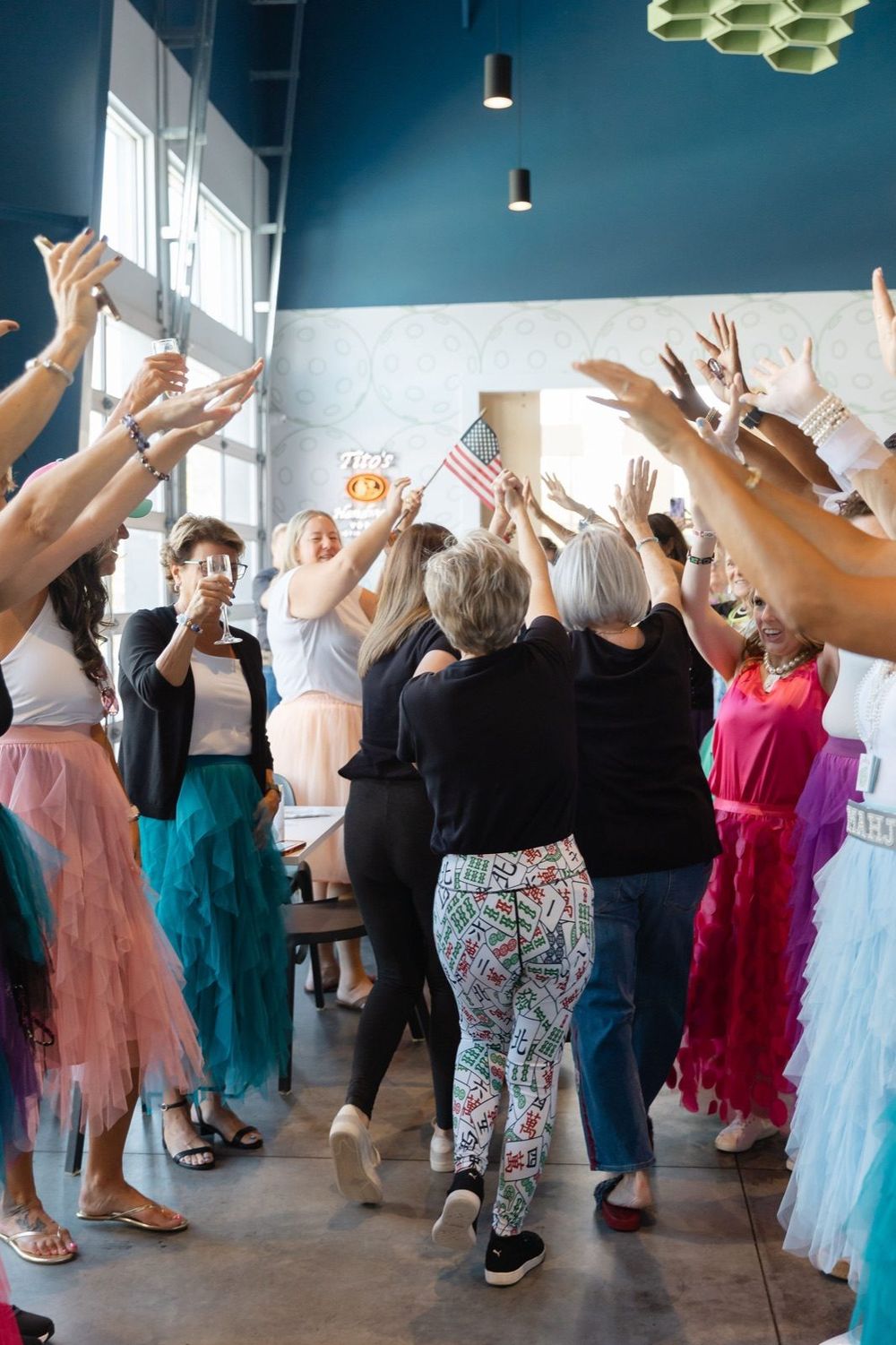
That's the story: an unlikely group of players, most of them well past the age most people associate with an endurance record, taking on something almost nobody expected them to finish, and finishing it by a wide margin.
The Approach: Two Months to Prepare for Two Days
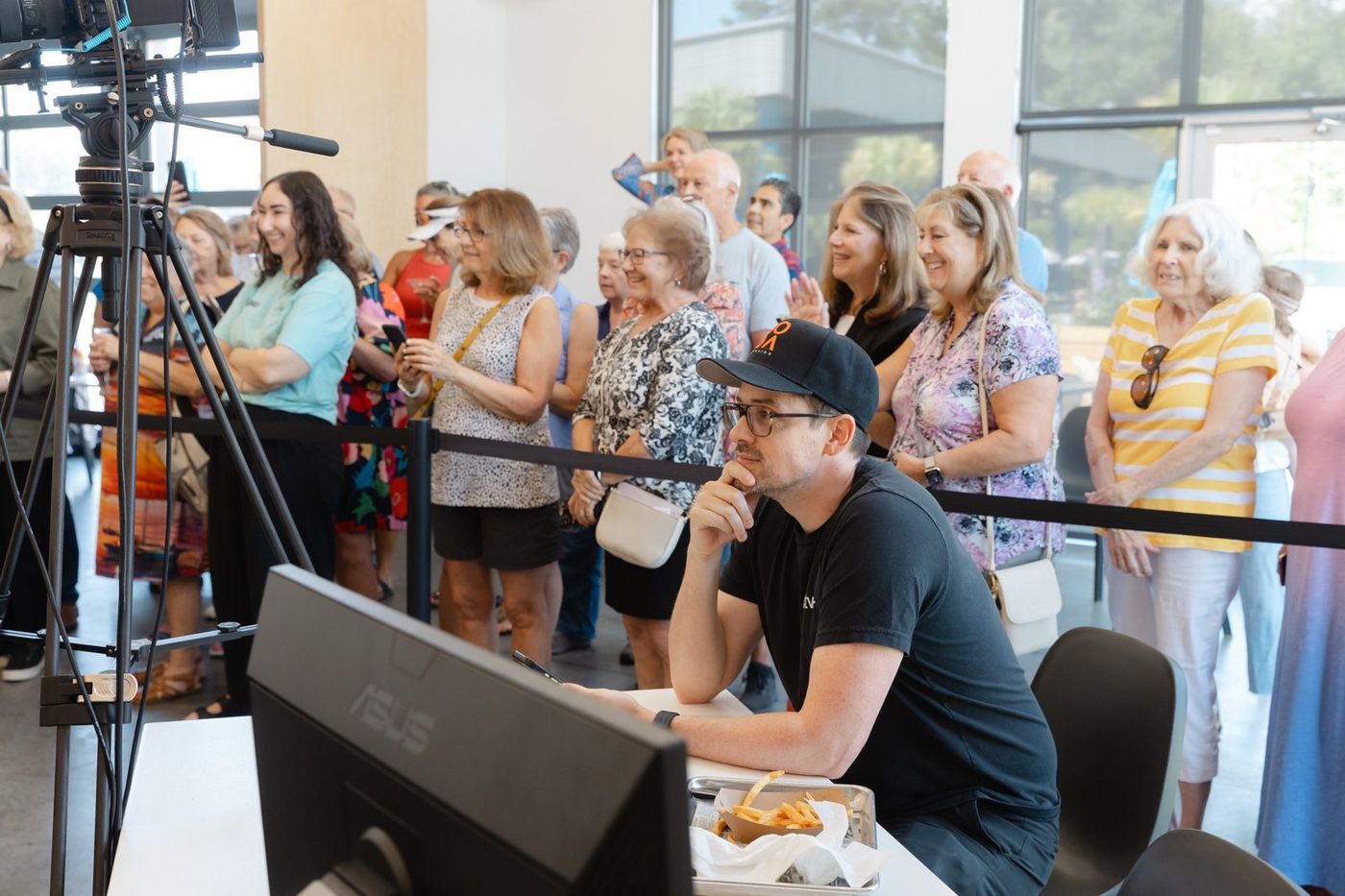
Because nothing like this had been attempted before, the lead time mattered as much as the shoot itself. Boda spent roughly two months in pre-production working through the logistics a 48-hour unbroken shoot actually requires: what gear needed to be rented versus owned, how to manage the sheer data volume of two straight days of multicam footage, and how to build a technical pipeline that could hold up for the entire duration without a single point of failure.
The production itself ran on a multicam setup built around Sony A7 IV cameras and an ATEM Mini Extreme ISO G2 for live switching and ISO recording, feeding into Synology NAS storage to handle the volume of footage a 48-hour continuous shoot generates. None of that is exotic gear on its own. The difference is running it continuously, without a break, for two full days, and having every piece of the chain hold up under that kind of sustained load.
The Technical Core: A Tool Built Just for This Shoot
The single hardest requirement on this project was timestamp accuracy. Guinness needed to be able to verify, frame by frame, that the 48-hour clock and the recorded footage matched, with almost no tolerance for drift.
Existing tools weren't built for that level of precision sustained over two days of footage, so Boda built one. A custom SwiftUI application, internally called Clock Check, was developed specifically to handle OCR-based clock verification against the recorded footage, reading the timestamp visually and cross-referencing it frame by frame across the entire 48-hour session.
The result: across the full attempt, the recorded footage drifted from the official clock by roughly 60 frames total. Over 48 hours of continuous recording, that's an extraordinarily small margin, well within what a record review board would consider verified, accurate documentation.
That's the kind of technical problem most video production companies never encounter, because most projects don't need frame-accurate verification sustained over two full days. It's also exactly the kind of problem Boda Studios builds custom tools to solve when an off-the-shelf answer doesn't exist.
Post-Production: Making Sense of Two Days of Footage
Two days of continuous multicam recording produces an enormous amount of raw footage, and turning that into something usable meant a heavy post-production lift. The team worked in DaVinci Resolve 21 to sync the multicam feeds, remove dead air and silence across the full session, and optimize exports for a dataset that size, all while preserving the frame-accurate timestamp integrity the certification depended on.
What Was Delivered
The final deliverable package went well beyond the baseline requirement of certification-ready documentation footage:
Full 48-hour continuous documentation footage, synced and verified for Guinness submission
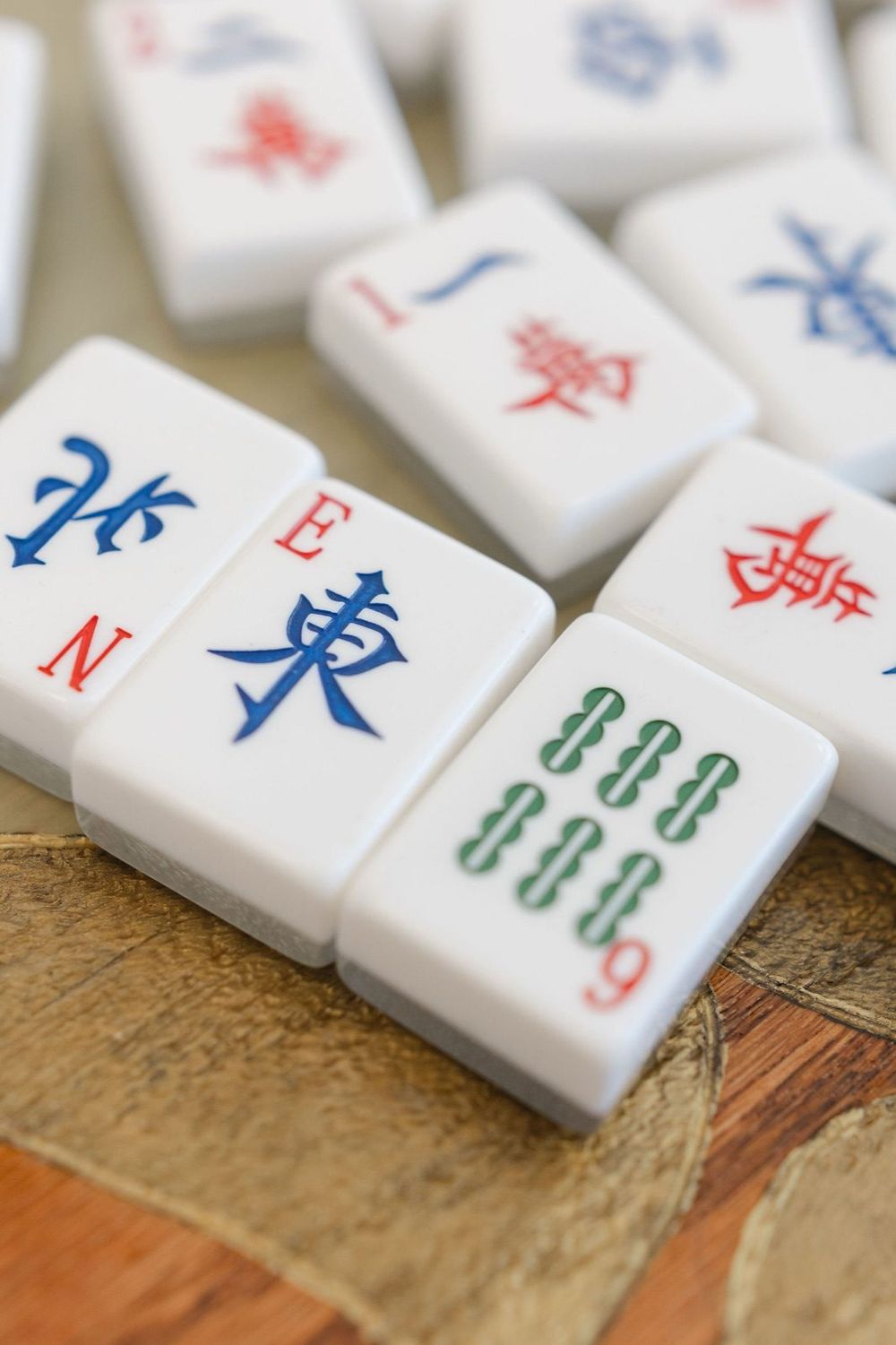
Over 100 photographs for the client's own promotional use
A surprise highlight reel, not part of the original contract, built and delivered as a bonus once the team saw what an incredible story this was
That highlight reel wasn't scoped, wasn't billed, and wasn't expected. It happened because the story was too good not to tell well.






The Result
The attempt succeeded. The group played nearly 15 hours past the previous 33-hour-4-minute record, a landslide, not a squeaker, and the submission is now in front of Guinness World Records awaiting formal certification.
The client's reaction was, by every account, ecstatic. A formal review is still pending, but the outcome that mattered most is already locked in: the record stands, the documentation holds up, and a group of women who trained for months to do something almost nobody thought was possible has the footage to prove they did it.
Why This Project Matters
This is what Boda Studios means when it talks about handling genuinely difficult production problems: not just filming an event, but building the technical infrastructure a client's goal actually requires. A custom-built timestamp verification tool. A 48-hour unbroken multicam pipeline with no room for failure. A production plan built from scratch for something that had never been attempted by this client before.
The result isn't just good footage. It's footage that survives the scrutiny of an official record review board, which is a different bar entirely than “looks good on social.”
“Truly Exceptional: Boda Studios Went Above & Beyond
I cannot recommend Boda Studios highly enough!
We hired Boda Studios to document our 48-hour Mah Jongg Marathon World Record attempt, and what we asked of them was anything but ordinary.
This wasn’t simply filming an event. The marathon had to be documented in accordance with strict Guinness World Records video evidence requirements, with continuous coverage captured across multiple cameras for the entire 48 hours.
And their job didn’t end when the cameras stopped.
Boda Studios then had the enormous task of taking 48 hours of footage from multiple cameras, organizing and editing it into the required continuous documentation, and converting and compressing the finished footage into 1 GB files suitable for our Guinness submission, all while preserving the integrity and continuity of the evidence.
The amount of footage, technical detail, file management, editing, and patience involved was extraordinary. They worked through every requirement and challenge with professionalism, flexibility, and incredible attention to detail.
Just as importantly, they captured the heart of Mahj48. Beyond the technical documentation, they preserved the emotion, exhaustion, laughter, friendships, determination, and unforgettable moments that made those 48 hours so special.
During an event where we had countless details to manage, knowing we could completely trust Boda Studios with one of the most critical components of our Guinness submission was invaluable.
They didn’t just document our world record attempt. They helped us create the evidence necessary to prove it while giving us a beautiful visual record of an experience we will never forget.
If you need a video for an important, complex, or once-in-a-lifetime event, Boda Studios is exceptional. Their professionalism, technical expertise, dedication, and willingness to go above and beyond exceeded every expectation.
I would hire them again without hesitation.”

Boda Studios builds custom production pipelines for projects that don't have a standard playbook.
Book a Discovery Call